Best Timing for Exterior Siding Staining
Exterior siding stainings require careful timing to ensure optimal adhesion, durability, and appearance. Weather conditions, temperature, and humidity levels influence the staining process and its longevity. Selecting the right season can significantly extend the lifespan of the stain and reduce the need for frequent reapplications.
Staining is best performed when daytime temperatures are between 50°F and 85°F. Extreme heat can cause the stain to dry too quickly, leading to uneven coverage, while cold temperatures may hinder proper absorption.
Low to moderate humidity levels are recommended during application. High humidity can prolong drying time and increase the risk of mold or mildew growth on the siding.
Spring and early fall are typically ideal seasons for exterior staining due to mild temperatures and lower humidity. Avoid staining during winter or peak summer heat to prevent issues related to weather extremes.
It is advisable to choose a period with several days of clear, dry weather. Rain or high humidity can compromise the staining process and affect the final finish.
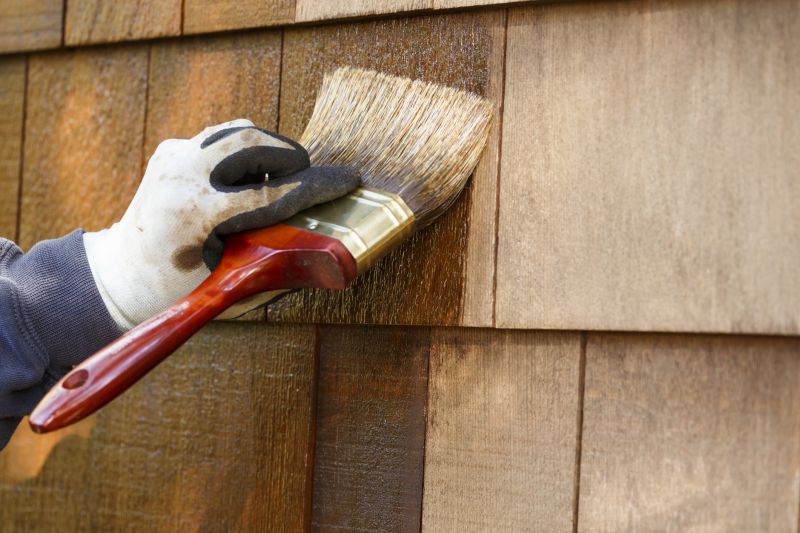
Spring offers moderate temperatures and longer daylight hours, making it suitable for exterior siding stainings.
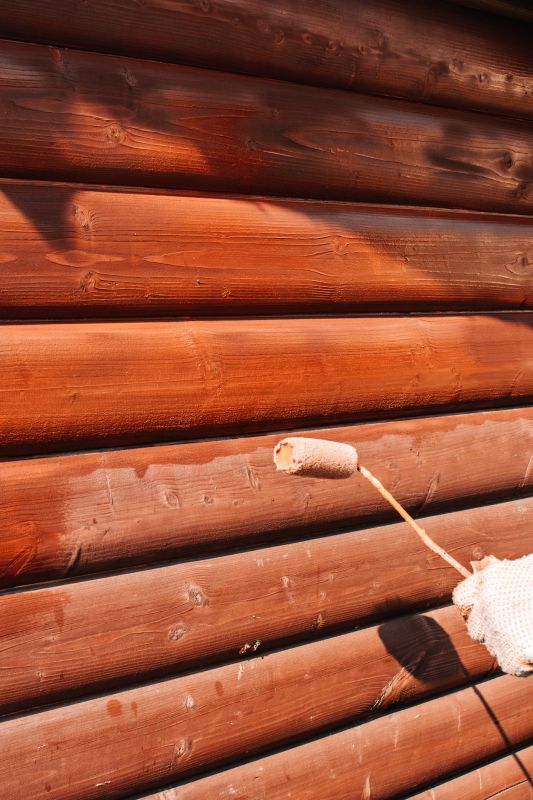
Early fall provides ideal weather conditions with cooler temperatures and lower humidity levels.
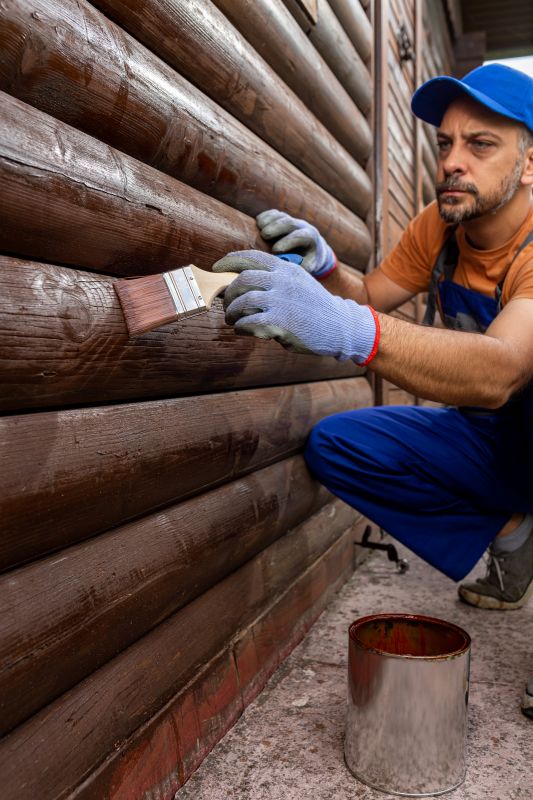
Winter is generally unsuitable due to low temperatures and increased moisture levels, which can impair stain adhesion.
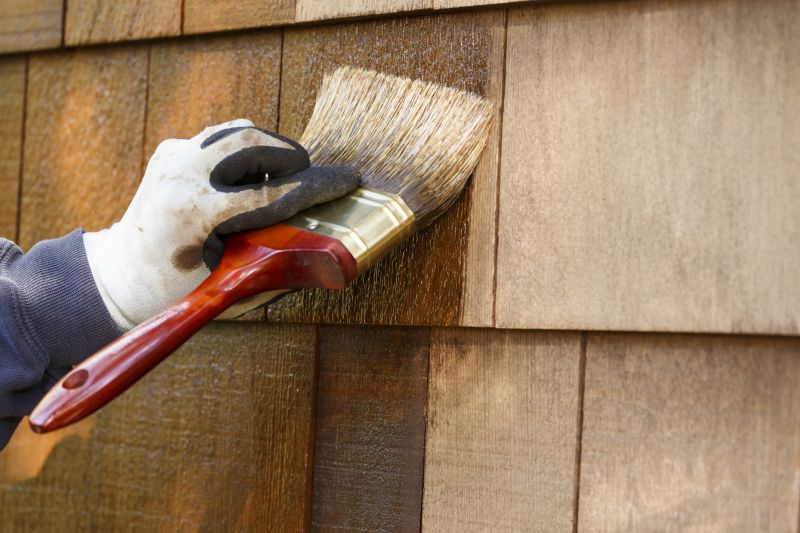
Ways to make Exterior Siding Stainings work in tight or awkward layouts.
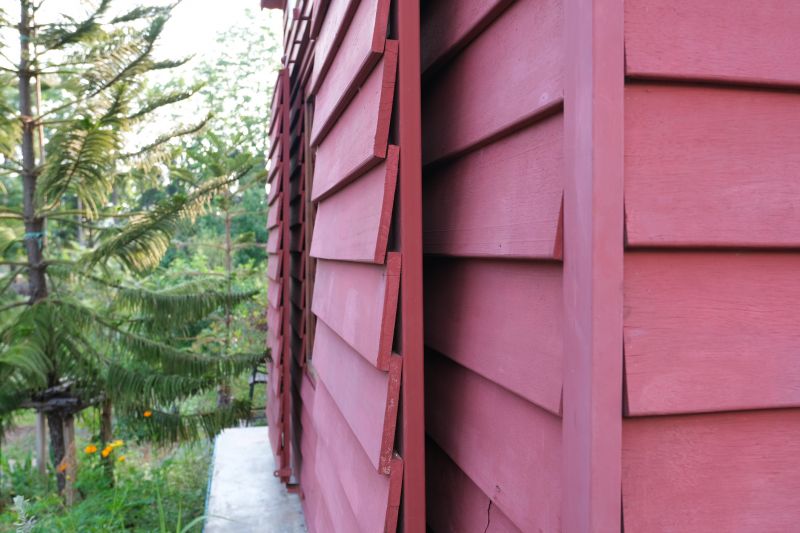
Popular materials for Exterior Siding Stainings and why they hold up over time.
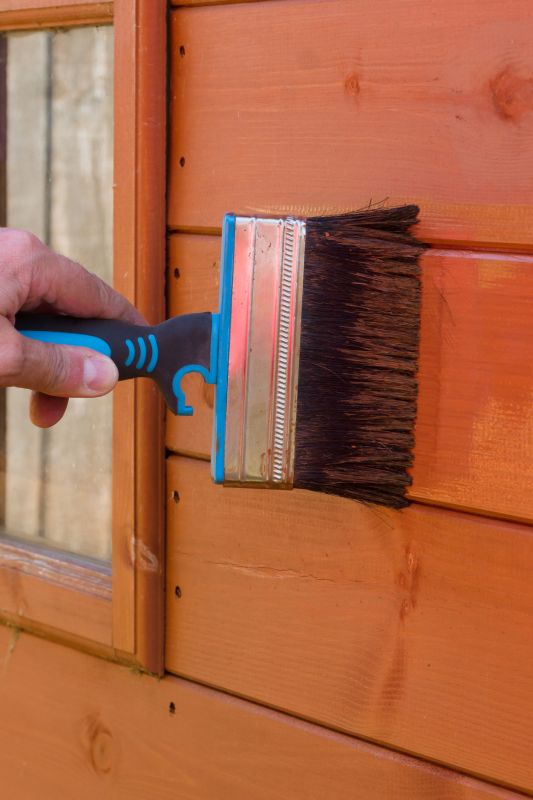
Simple add-ons that improve Exterior Siding Stainings without blowing the budget.
| Season | Recommended Conditions |
|---|---|
| Spring | Temperatures between 50°F and 85°F, low humidity, dry weather |
| Summer | Early morning or late afternoon, avoid peak heat |
| Fall | Cooler temperatures, low humidity, dry days |
| Winter | Not recommended due to low temperatures and moisture |
Exterior siding stainings are most effective when performed during periods of stable, mild weather. Proper timing ensures better absorption, longer-lasting results, and a more uniform appearance. It is essential to monitor weather forecasts and choose days with minimal chance of rain or high humidity to achieve the best results.
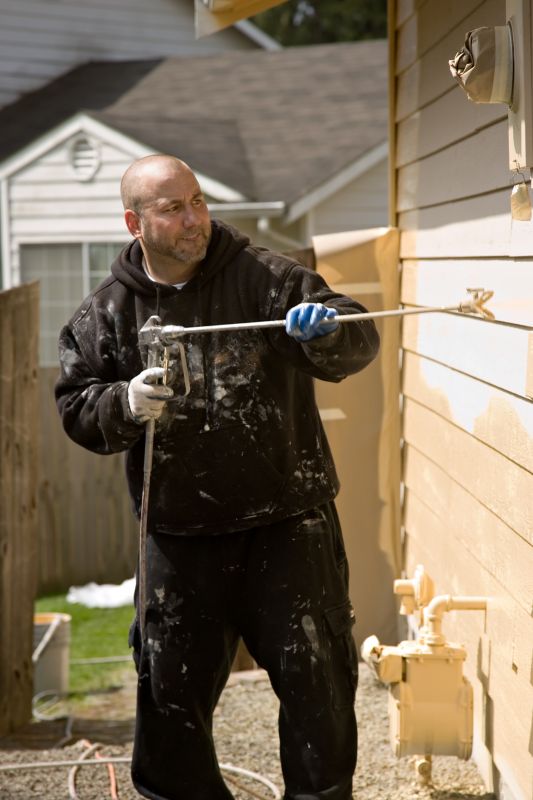
Spring provides ideal conditions for exterior siding staining projects.
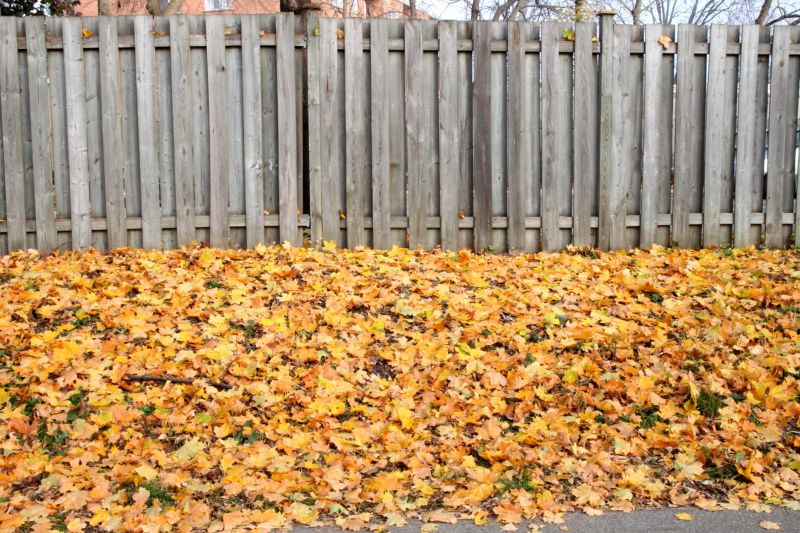
Fall offers optimal weather with cooler temperatures and lower humidity.
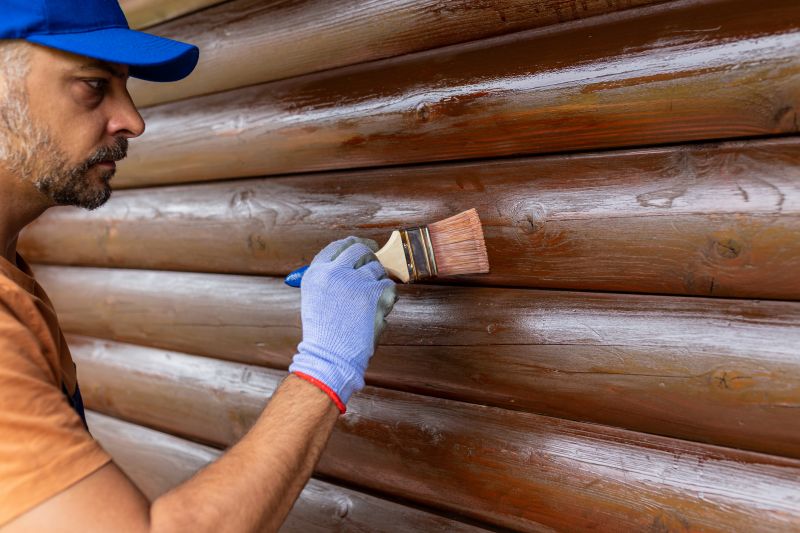
Summer requires careful timing to avoid heat stress during application.
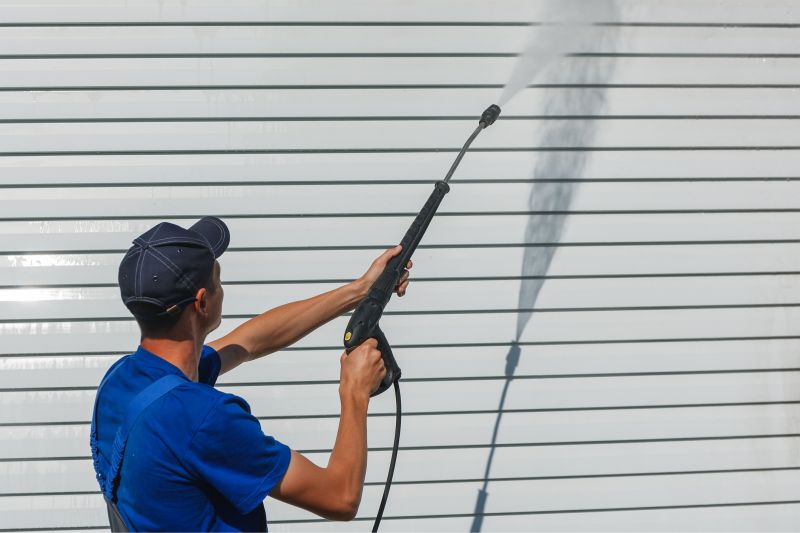
Choosing days with forecasted dry weather enhances staining success.
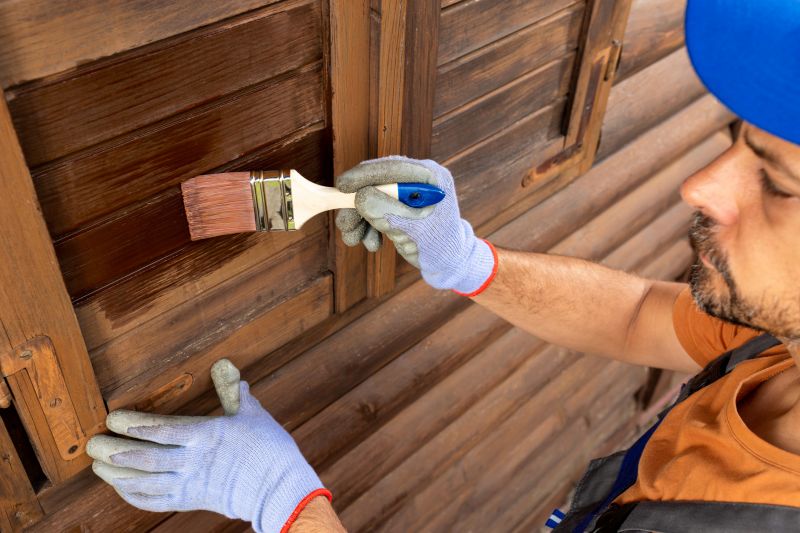
High-end options that actually feel worth it for Exterior Siding Stainings.
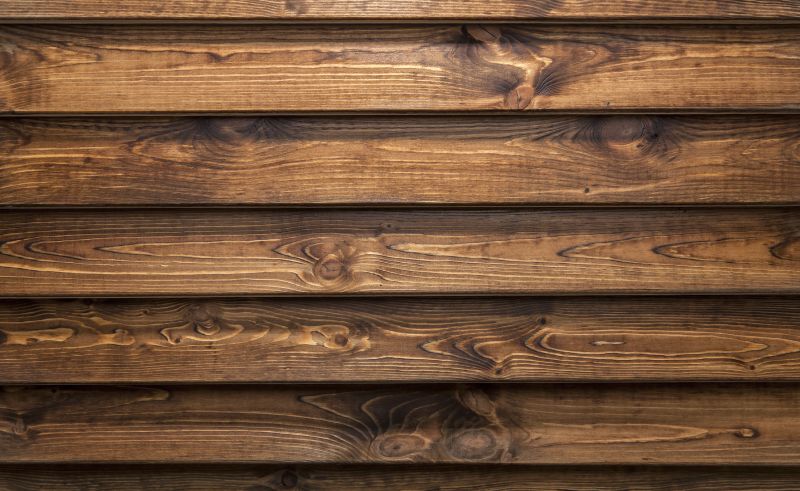
Finishes and colors that play nicely with Exterior Siding Stainings.
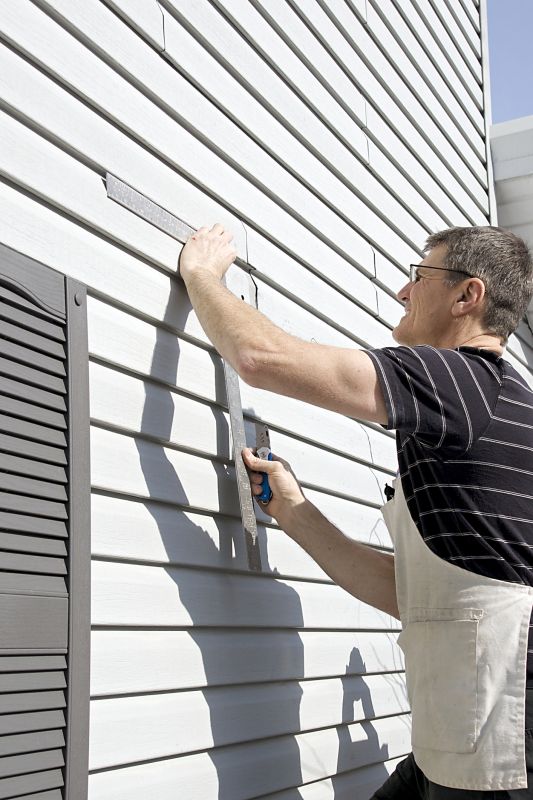
Little measurements that prevent headaches on Exterior Siding Stainings day.
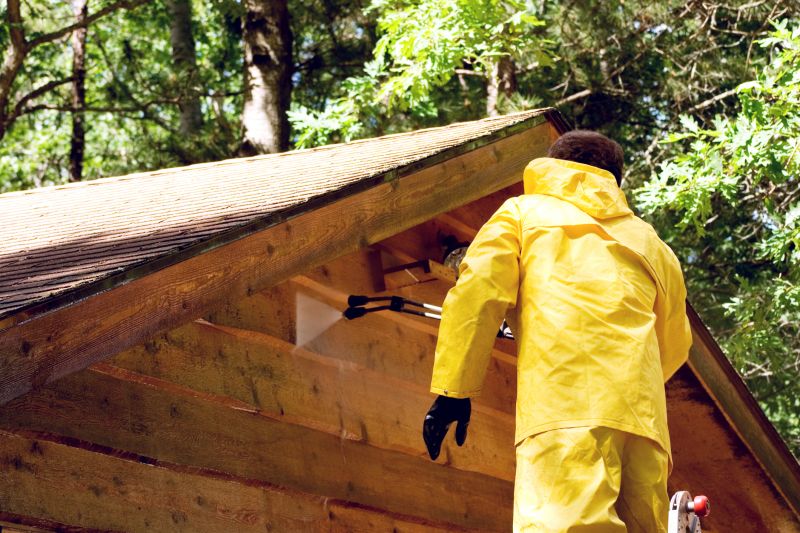
A 60-second routine that keeps Exterior Siding Stainings looking new.
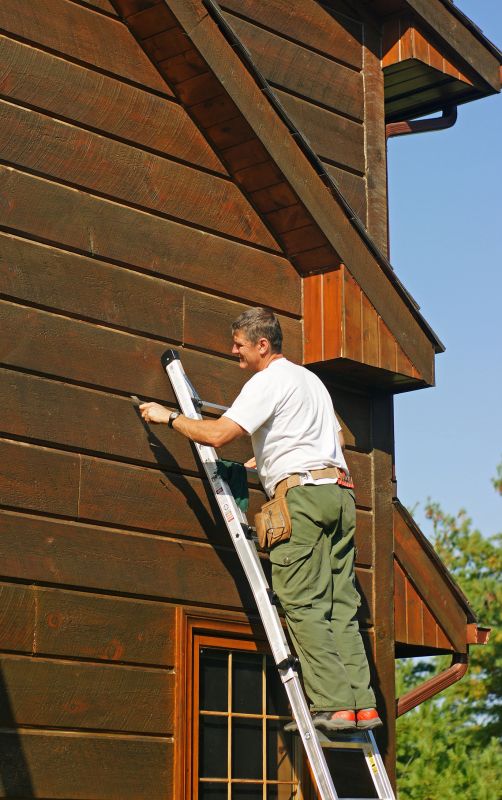
A frequent mistake in Exterior Siding Stainings and how to dodge it.
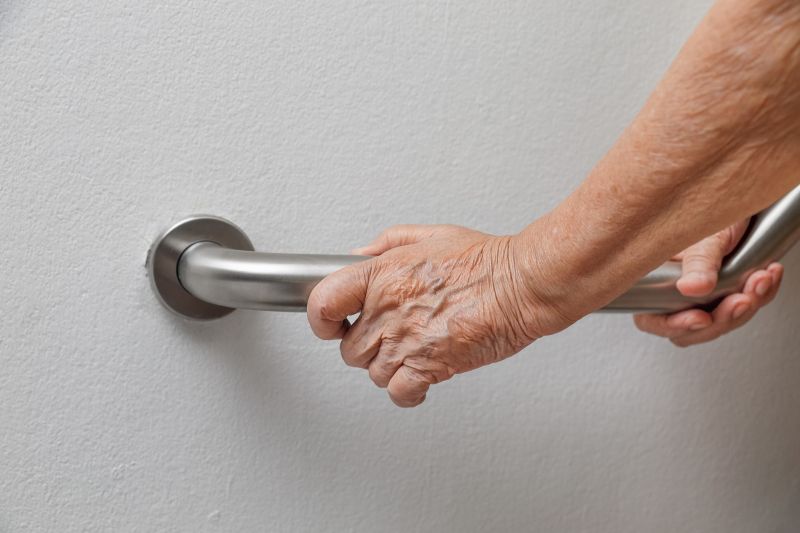
Small tweaks to make Exterior Siding Stainings safer and easier to use.
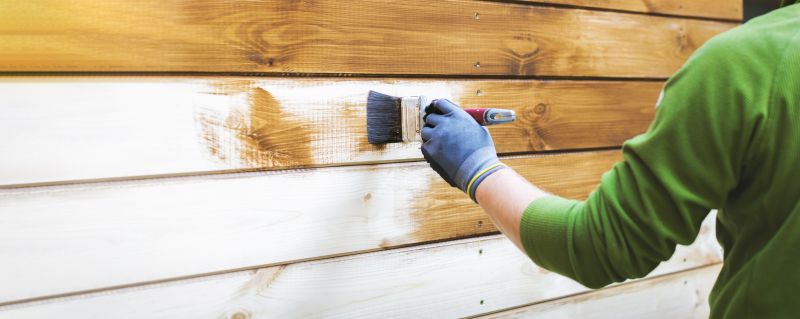
Lower-waste or water-saving choices for Exterior Siding Stainings.
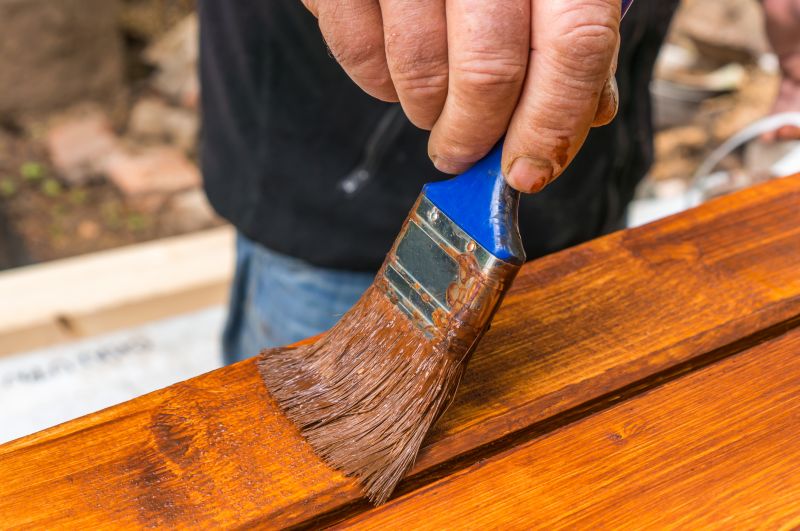
The short, realistic tool list for quality Exterior Siding Stainings.
Properly timed exterior siding stainings contribute to the longevity and appearance of the siding. Planning around weather conditions and seasonal changes ensures the stain adheres properly and withstands environmental elements effectively. Interested parties are encouraged to contact for additional information or scheduling inquiries.